
Lizards can be a nuisance in both indoor and outdoor spaces, prompting the need for effective deterrents. Understanding their behavior is essential in creating an environment that discourages their presence. Fortunately, there are affordable lizard repellent, natural repellent solutions available. Homemade sprays and essential oil blends are not only effective but also eco-friendly. Exploring these options can provide homeowners with practical strategies to keep lizards at bay. The next steps involve specific recipes and techniques to implement these solutions effectively.

Understanding Lizard Behavior and Why They Enter Your Space
Although lizards are often perceived as mere nuisances, understanding their behavior is vital to comprehending why they invade human spaces igreenasia. Lizards are drawn to environments that provide warmth, shelter, and food sources. Their habits include seeking out insects and other small prey, which often thrive in human habitats. Consequently, homes and gardens can serve as attractive hunting grounds.
Entry points for lizards typically include cracks, crevices, and gaps around windows and doors. These openings allow easy access for lizards to enter indoor spaces in search of food or suitable hiding places. Recognizing these entry points is significant for homeowners who wish to minimize lizard presence.
Effective management of lizard habits involves both sealing potential entry points and reducing attractants within the environment. By addressing these factors, individuals can create less inviting spaces for lizards while maintaining their desired freedom in their living areas.
Natural Repellents: Effective Solutions You Can Make at Home
Natural repellents can serve as effective solutions for homeowners seeking to deter lizards without the use of harsh chemicals. One practical approach involves creating homemade sprays utilizing common household ingredients. A simple mixture of water, vinegar, and lemon juice can be effective; the strong scents discourage lizards from entering treated areas.
Similarly, incorporating repellent herbs such as rosemary, mint, and lavender into sprays can enhance their efficacy. These herbs release potent aromas that are unappealing to lizards while being safe for humans and pets.
To prepare a homemade spray, combine one part vinegar, one part water, and a handful of crushed repellent herbs in a spray bottle. Shake well and apply in areas prone to lizard activity.
Regular application may enhance results, providing a chemical-free barrier around the home. With these natural solutions, homeowners can reclaim their spaces while promoting a healthier environment.
Utilizing Essential Oils for Lizard Deterrence
Homemade repellents using common household ingredients offer a great starting point for lizard deterrence. Among these ingredients, essential oil blends have gained popularity due to their effectiveness against lizards.
Certain essential oils, such as peppermint, eucalyptus, and citrus, exploit lizard scent preferences, creating an environment that is unwelcoming to these reptiles.
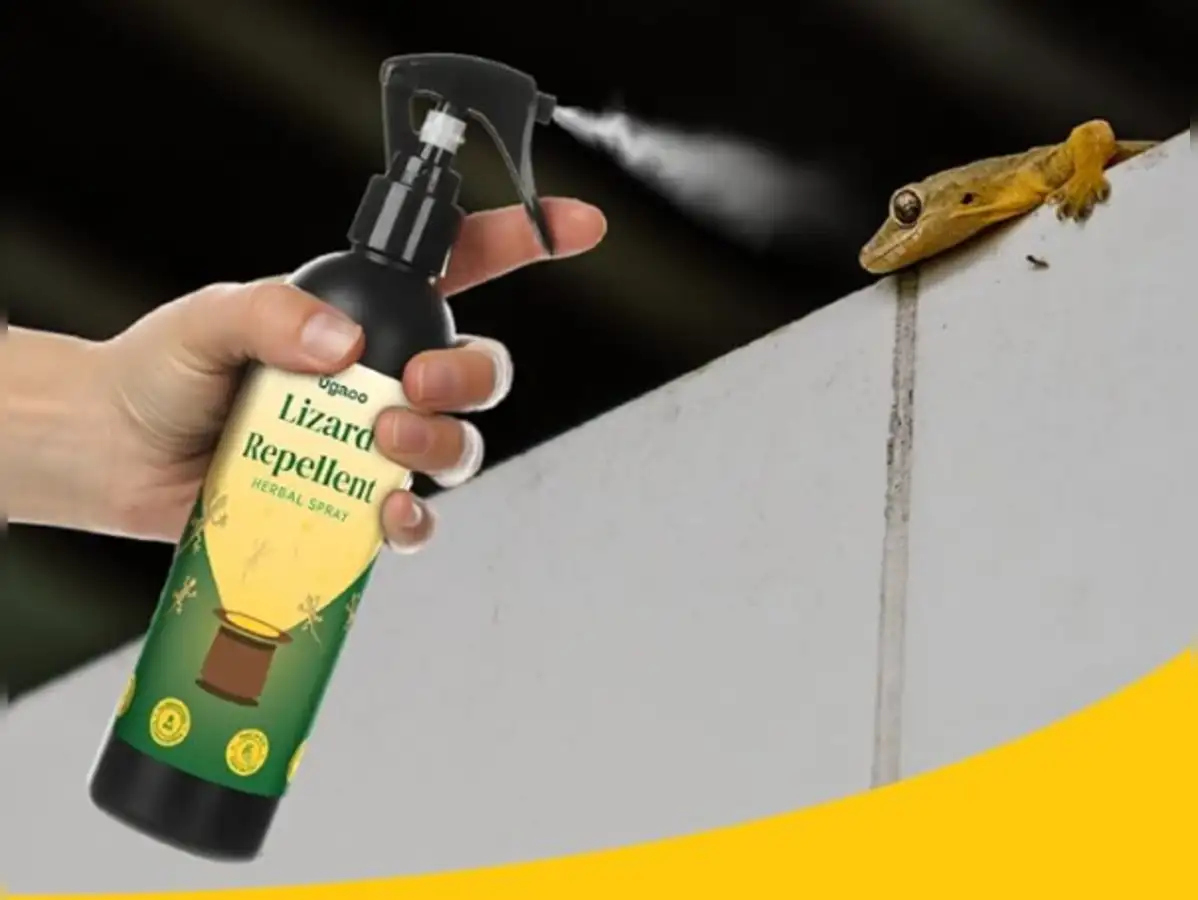
To create a lizard repellent spray, individuals can mix water with a few drops of these essential oils in a spray bottle. The strong scents disrupt lizards’ natural navigation and comfort zones, prompting them to leave treated areas.
Regular application of this spray around entry points, windows, and outdoor spaces can enhance its efficacy.
Incorporating essential oil blends into a lizard control strategy not only provides a natural deterrent but also aligns with a desire for eco-friendly and non-toxic solutions, promoting a more harmonious living space free from unwanted lizard visitors.
Strategic Home Modifications to Keep Lizards Away
To effectively deter lizards from invading living spaces, homeowners can implement strategic modifications that address the reptiles’ natural behaviors and preferences.
One critical factor is exterior lighting; opting for yellow or sodium vapor lights can reduce insect populations, which in turn minimizes lizard attraction.
Additionally, careful landscaping choices can create an uninviting environment for these reptiles.
For instance, eliminating dense foliage and ground cover reduces potential hiding spots.
Incorporating gravel or stone landscaping instead of mulch can deter lizards, as they prefer areas where they feel concealed.
Moreover, sealing cracks and crevices in walls and foundations prevents lizards from entering the home.
Tips for Maintaining a Lizard-Free Environment
Maintaining a lizard-free environment requires consistent efforts and practical strategies that address the factors attracting these reptiles. Implementing effective lizard proofing techniques is essential. This includes sealing entry points around windows, doors, and vents to prevent lizards from entering.
Regularly inspecting and repairing any cracks or gaps in walls can further enhance these defenses.
Outdoor cleanliness tips are equally important. Keeping gardens and yards tidy by removing debris, such as fallen leaves and excess mulch, minimizes hiding spots for lizards. Additionally, maintaining a well-trimmed landscape and storing firewood away from the home can deter these reptiles.
Using natural deterrents, like essential oils, may also aid in keeping lizards at bay.
Conclusion
To sum up, implementing affordable lizard repellent solutions, such as homemade sprays and essential oil blends, can effectively deter these reptiles from invading living spaces. Understanding their behavior and making strategic home modifications further enhances prevention efforts. Regular maintenance of the environment, coupled with these natural deterrents, provides an eco-friendly alternative to chemical solutions. By adopting these practical measures, homeowners can create a lizard-free atmosphere while promoting a sustainable approach to pest management.


